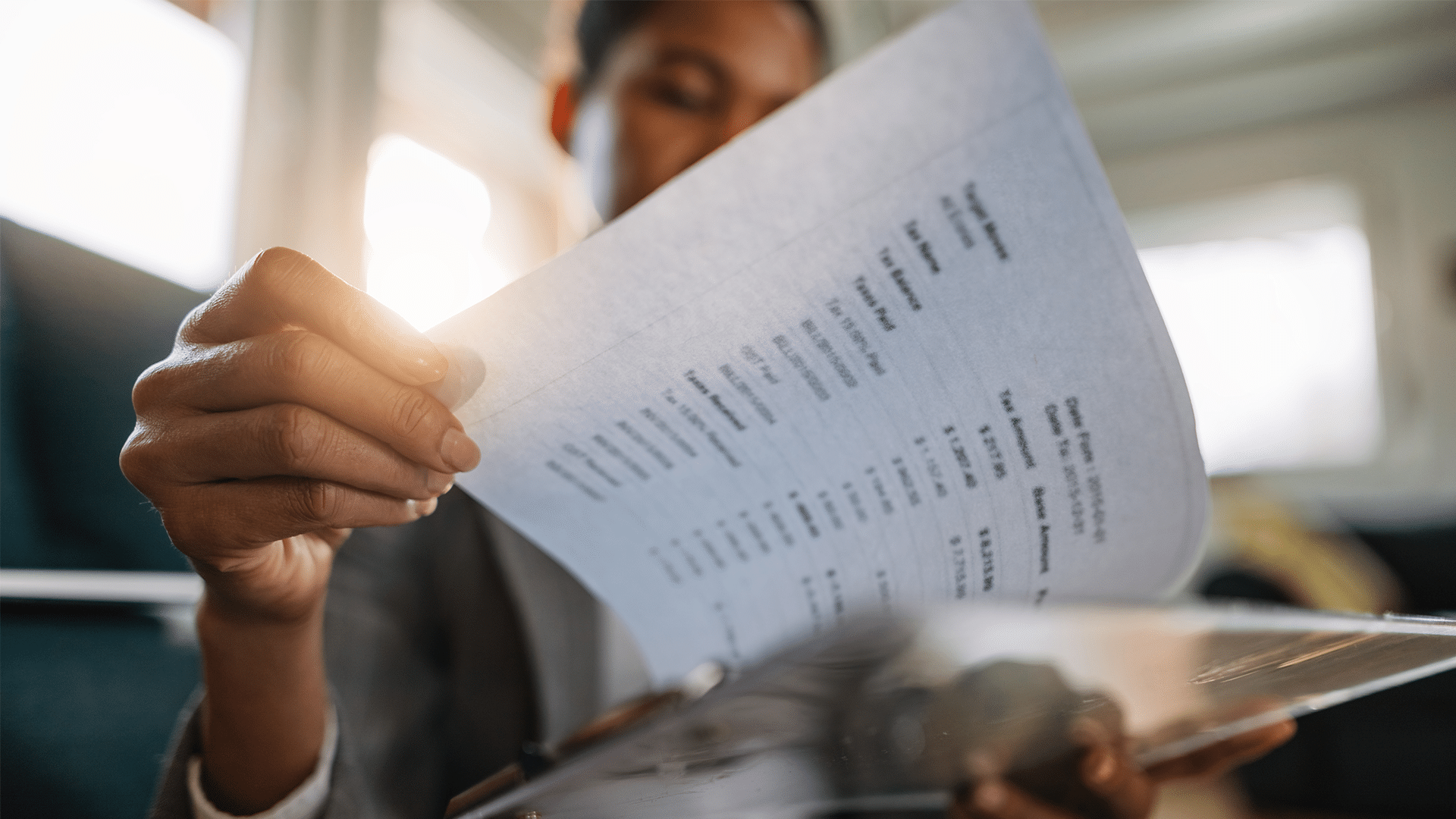

Most mortgage lenders will ask for proof of your identity, address, income, bank statements, and deposit before approving your mortgage application.
The exact documents you’ll need can vary depending on your circumstances, but having everything ready before you apply can help avoid delays and keep your application moving.
If you’re applying for a mortgage in York, it’s worth understanding what lenders are likely to ask for and why they need the information.
The documents you’ll need can depend on your circumstances. For example, someone who’s employed may be asked for different paperwork than someone who’s self-employed, while first time buyers and homeowners remortgaging may also have slightly different requirements.
What Documents Will You Need Before Applying?
The documents required for a mortgage can vary from lender to lender, but most applications follow a similar process.
You’ll usually be asked to provide proof of who you are, where you live, how you earn your income, and where your deposit has come from. Lenders use this information to assess whether the mortgage is affordable and to carry out the checks they’re required to complete before lending.
If you’re self-employed, receive commission or bonuses, or have multiple sources of income, you may be asked for additional documents. Likewise, if you’re applying jointly, each applicant will normally need to provide their own paperwork.
Having these documents ready before submitting your application can help avoid unnecessary delays later on.
Why Do Mortgage Lenders Ask for These Documents?
Mortgage lenders don’t ask for paperwork simply to create more administration. Every document helps them build a clearer picture of your financial circumstances.
Some documents confirm your identity and current address, while others allow lenders to verify your income and assess whether the mortgage is affordable. They’ll also need to understand where your deposit has come from and ensure they meet anti-money laundering regulations.
Looking at all of this information together helps lenders decide whether they’re comfortable offering you a mortgage based on your individual circumstances.
How Do You Prove Your Identity and Address?
Every mortgage application begins with identity checks.
Most lenders will ask for one form of photographic identification, such as a valid passport or UK driving licence. If your identification has expired or your personal details have changed, you may need to provide additional documents before your application can proceed.
You’ll also need to provide proof of your current address. This is often a recent utility bill, council tax bill, bank statement or an official letter from a government department.
As requirements can differ between lenders, it’s worth checking that any documents you provide are recent and clearly show your name and current address.
What Income Documents Will You Need?
The documents you’ll need to prove your income depend on how you’re employed.
If you’re employed, lenders will usually ask for your latest payslips together with your most recent P60. If part of your income comes from overtime, bonuses or commission, they may ask for additional payslips to see whether those payments are regular.
If you’re self-employed, lenders will normally request your SA302s and Tax Year Overviews. Some may also ask for accounts prepared by your accountant, particularly if your income varies from year to year or you operate through a limited company.
Providing accurate income documents helps lenders understand how much you earn and whether your income is likely to remain sustainable throughout the mortgage term.
Why Do Mortgage Lenders Ask for Bank Statements?
Bank statements help lenders understand how you manage your day-to-day finances.
Most mortgage lenders ask for around three months’ worth of statements, although this can vary depending on the lender and your circumstances.
They’ll usually review your statements to confirm your income, check your regular household spending, understand any existing financial commitments and make sure the mortgage appears affordable.
They’re not expecting every month to look exactly the same, but they do want to see that your finances are generally well managed and that your spending is consistent with the information you’ve provided during your application.
How Do You Prove Where Your Deposit Has Come From?
As well as confirming how much deposit you have, lenders will usually ask where it has come from.
If you’ve built up your savings over time, recent savings account statements are often enough to demonstrate this.
If a family member is gifting your deposit, your lender will normally ask for a gifted deposit letter confirming the money doesn’t need to be repaid and that the person providing it won’t have any legal interest in the property.
If you’re applying for a remortgage in York, your available equity may form part of the application instead of a cash deposit.
Do First Time Buyers Need Different Documents?
In most cases, no.
The documents needed by first time buyers in York are largely the same as those required by existing homeowners. The main difference is that first time buyers won’t have paperwork relating to a current mortgage or the sale of another property.
Many first time buyers also choose to obtain an Agreement in Principle before they begin viewing homes. Although this isn’t a full mortgage offer, it can give you an indication of how much you may be able to borrow and show estate agents you’re in a position to proceed.
When Will You Be Asked to Provide Your Documents?
Some lenders may ask for basic documents before issuing an Agreement in Principle, although many only require this information once you’ve found a property and submitted your full mortgage application.
After an underwriter has assessed your application, you may be asked for additional documents if they need clarification about your income, spending, or deposit.
Responding to these requests as quickly as possible can help prevent unnecessary delays and keep your application progressing.
Can Missing Documents Delay Your Mortgage?
Yes, missing or incomplete documents are one of the most common reasons mortgage applications take longer than expected.
If a lender can’t verify your income or confirm where your deposit has come from, they’ll usually pause the application until the required information has been received.
Sometimes the solution is straightforward. A lender may simply ask for a more recent bank statement, an additional payslip or an updated proof of address. Providing the correct documents first time can often help your application move through underwriting more efficiently.
Date Last Edited: July 20, 2026